
A unified view of your data
Integrating fragmented data systems and leveraging advanced analytics tools is no longer a luxury; it is a foundational necessity for modern business agility.
Data Consolidation, Visualisation and Automation.
When a company bridges the gaps between its ERP, CRM, and financial software, it eliminates “data silos” that often lead to conflicting reports and operational blind spots.
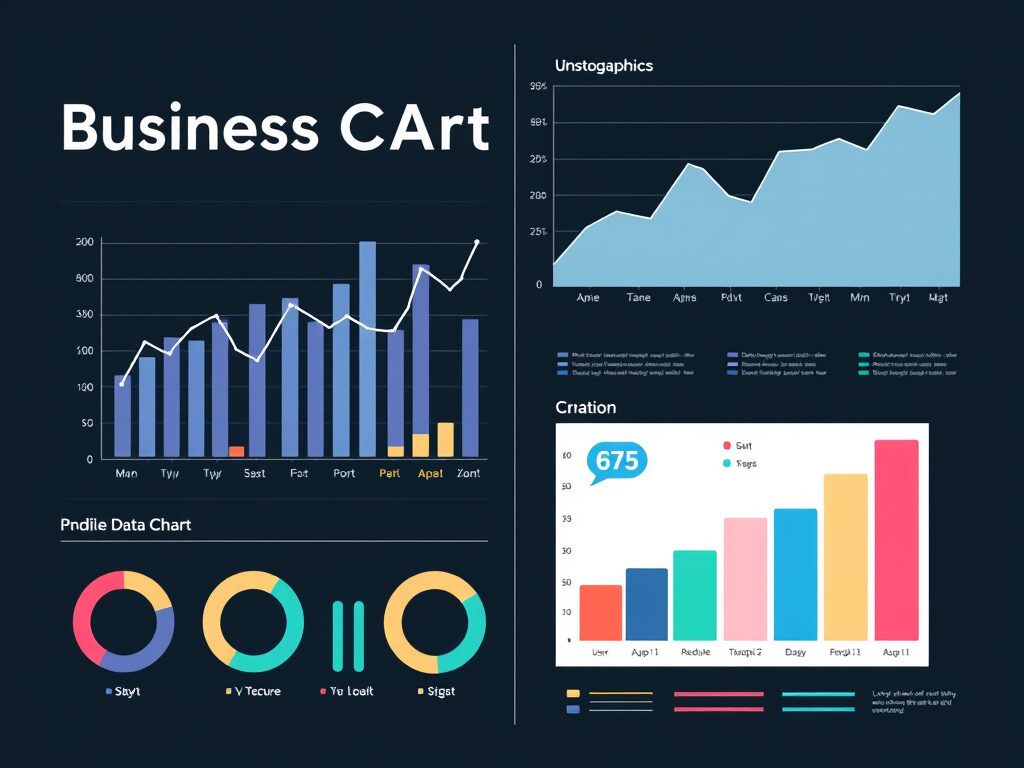
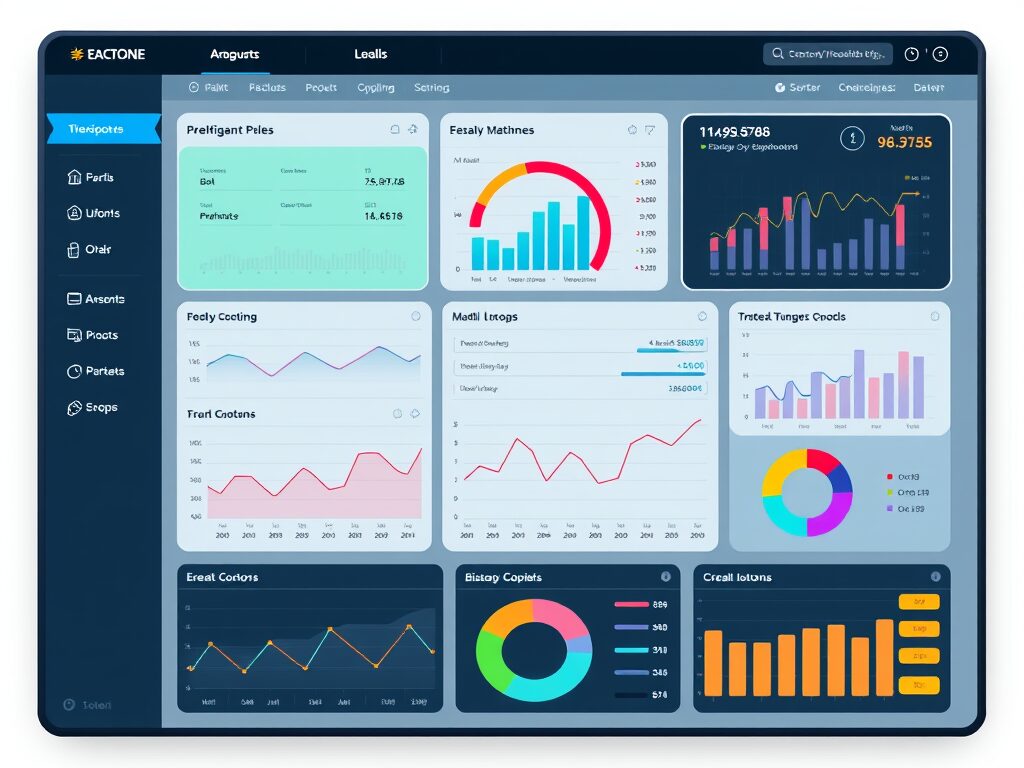
Unlock the power of data driven decision making through dashboards, charts and reports, available when you need them.


Integrated Systems and Analytics
Discover our specialized consultation in data integration and business intelligence designed to elevate your profits, productivity and operations.

Operational Efficiency
Tools like Tableau, Phocas, Google Data Studio
and Power BI transform this raw, integrated data into a visual narrative that is accessible to stakeholders at all levels.
Integrated Systems and Analytics
Interact with dynamic dashboards that highlight key performance indicators (KPIs) through intuitive charts and heatmaps, making the “story” behind the data immediately apparent.
Data Analytics & BI
User-friendly insights for retail, services, manufacturing and distribution. Spot emerging trends, identify underperforming product lines, and forecast demand with much higher precision.
Intelligence
By utilizing predictive analytics and automated reporting, businesses can anticipate market shifts or internal bottlenecks before they escalate into costly problems.
A single source of truth
By creating a single source of truth, leadership can transition from making decisions based on “gut feelings” or outdated spreadsheets to acting on real-time, accurate intelligence. This synchronization ensures that every department, from sales to supply chain, is working from the same playbook, significantly reducing manual data entry errors and the time wasted on reconciling disparate datasets.
Automation
An integrated system can trigger an alert when inventory levels drop below a certain threshold relative to historical sales peaks, allowing for automated reordering. This level of operational efficiency not only drives cost savings but also frees up human talent to focus on strategic growth and innovation, rather than routine data maintenance.

Enhancing Stakeholder Experience
Retail and service-based industries, success hinges on understanding the “why” behind customer behavior. Integrating Point of Sale (POS), CRM, and social media data into tools like Phocas, Power BI and Tableau allows managers to visualize the entire customer journey, identifying exactly where shoppers drop off or which services are trending. In a service environment—such as a consulting firm or a healthcare provider— you can an track billable hours, technician utilization rates, and customer satisfaction scores in one place. This allows leaders to align staffing levels with peak demand periods, ensuring high-quality service without the overhead of overstaffing.
Precision and Predictive Maintenance
For manufacturing, the priority shifts to operational uptime and quality control. By integrating data from floor sensors (IoT) and ERP systems, Tableau ,Phocas or Power BI can monitor “Overall Equipment Effectiveness” (OEE) in real time. Instead of waiting for a machine to break down, predictive analytics can flag subtle vibrations or temperature spikes that precede a failure. Furthermore, these tools help manufacturers track defect rates by supplier or batch, allowing quality heads to pinpoint the root cause of a production issue instantly. This transition from reactive repairs to proactive maintenance significantly reduces downtime and protects profit margins.
Optimizing the Modern Supply Chain
Distribution and wholesale businesses benefit most from the “drill-down” capabilities of specialized tools like Phocas, which is tailored to handle the complexities of thousands of SKUs. Integrated data systems allow for real-time visibility into “Dead Stock” (inventory not moving) versus “Safety Stock” (buffers for high demand). A distribution manager can use a Power BI dashboard to track “Dock-to-Stock” times and picking accuracy across multiple warehouses. By visualizing shipping routes alongside carrier performance data, companies can identify the most cost-effective paths and reliable partners, ensuring that products reach the end consumer faster and with fewer logistical bottlenecks.

Connect and Integrate
Sectors like retail, service, manufacturing, and distribution, data integration serves as the nervous system that connects front-end activities with back-end operations. By feeding cross-functional data into tools like Tableau, Phocas, and Power BI, businesses move beyond basic reporting into high-level strategic orchestration.